

Empowering Asian Americans with the tools and knowledge to make their favorite cultural foods

Role:
UI/UX Designer
Timeline:
4 months
Tools:
Figma, Pen & Paper
Problem
Straddling two different cultures is a universal challenge among Asian Americans. Many of us use food as a way to connect to our parents’ culture, but this isn’t always easy.
I wanted to explore Asian Americans’ relationship with food and culture and find a way to make the process of learning about and recreating authentic cultural dishes more accessible and enjoyable.
Solution
A recipe kit delivery service with a focus on teaching authentic Asian recipes in an easy and approachable way.
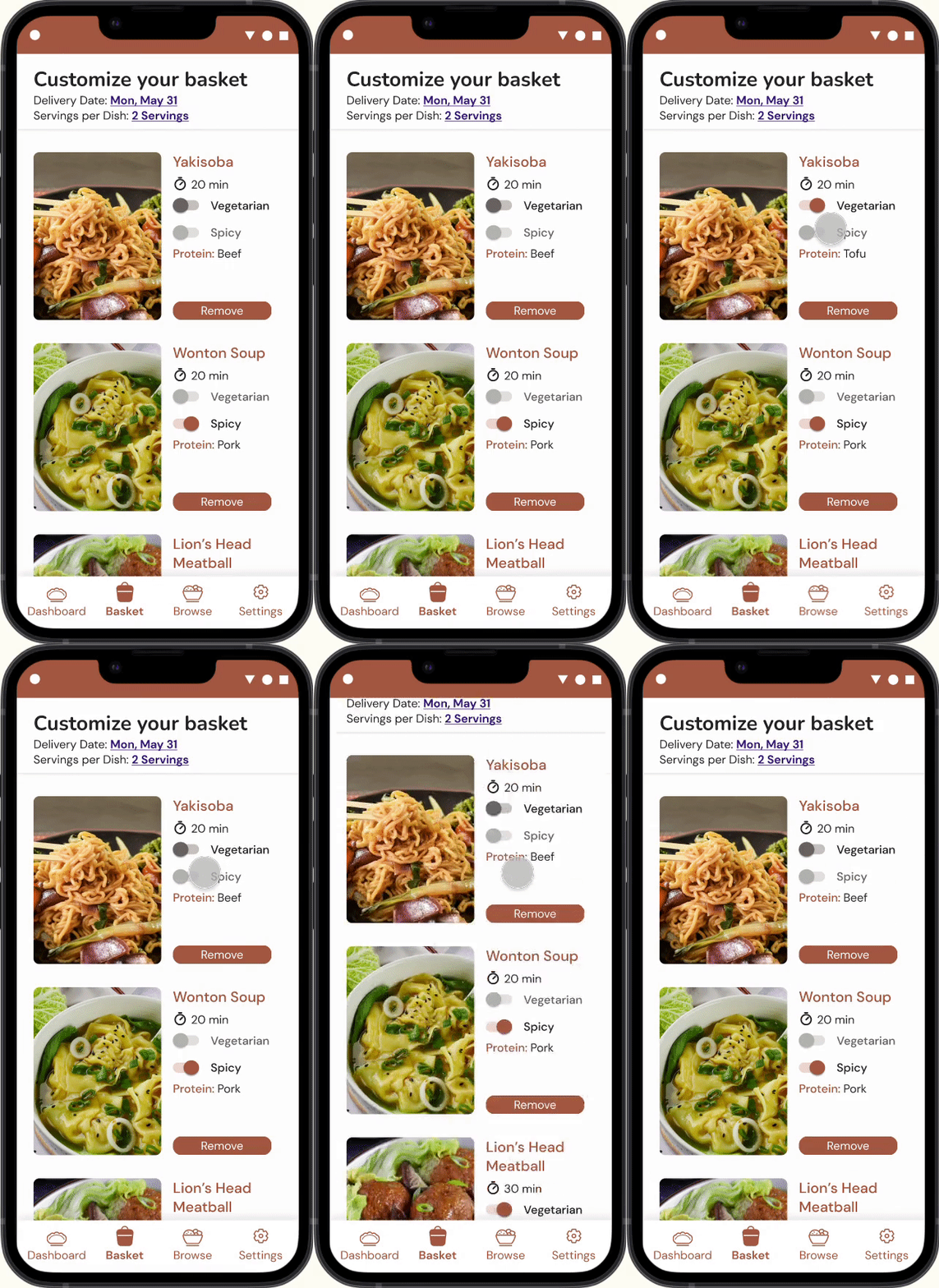
Personalize your basket
-
Select your spiciness and protein preferences
-
Get recipe recommendations based on your preferences and past orders
-
Recieve all the necessary ingredients required to cook each recipe
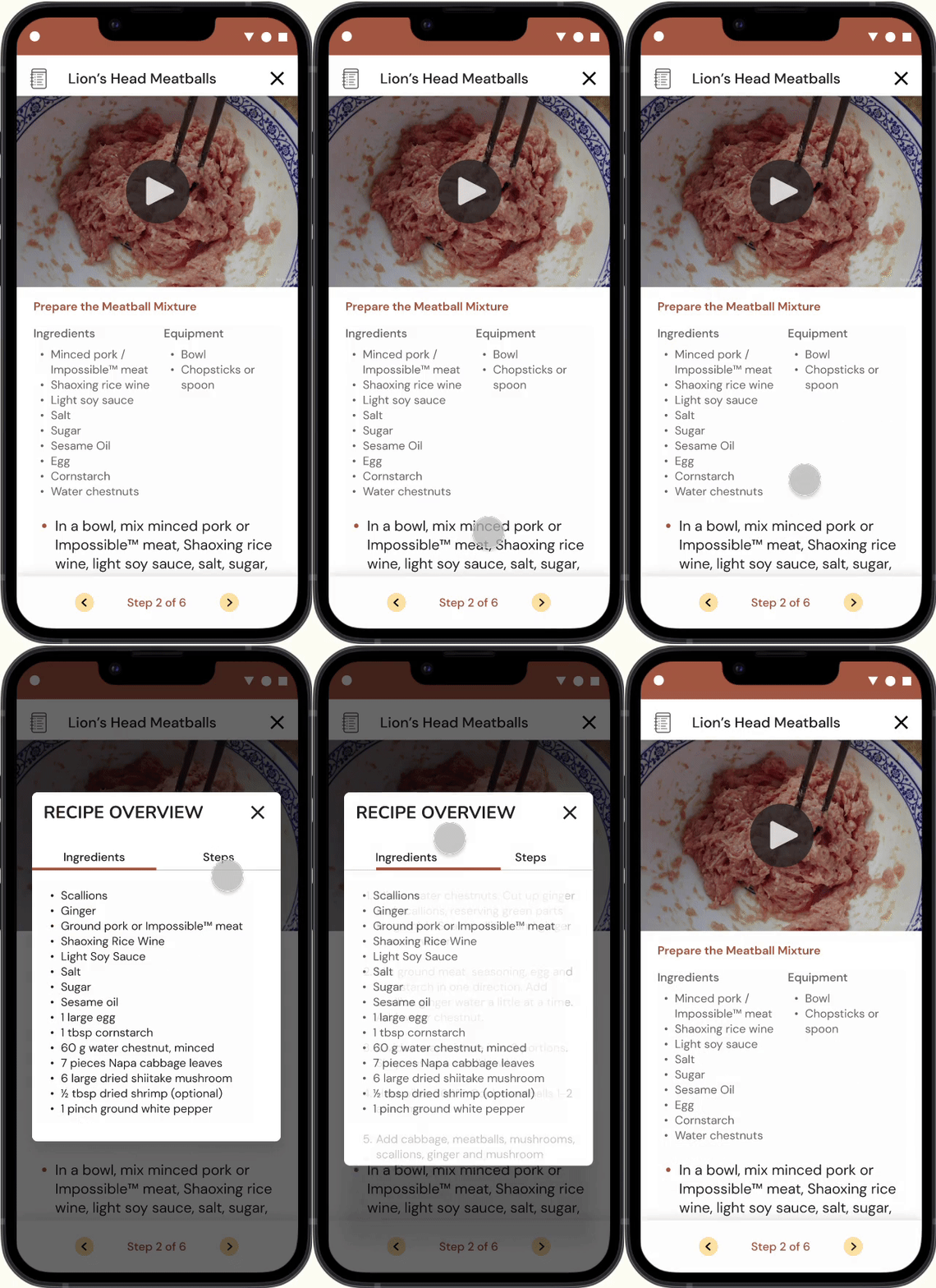
Easy to follow recipes
-
Beginner-friendly video clips explaining each step
-
Helpful tips to improve your cooking skills and provide cultural context
-
Access to the full recipe whenever you need
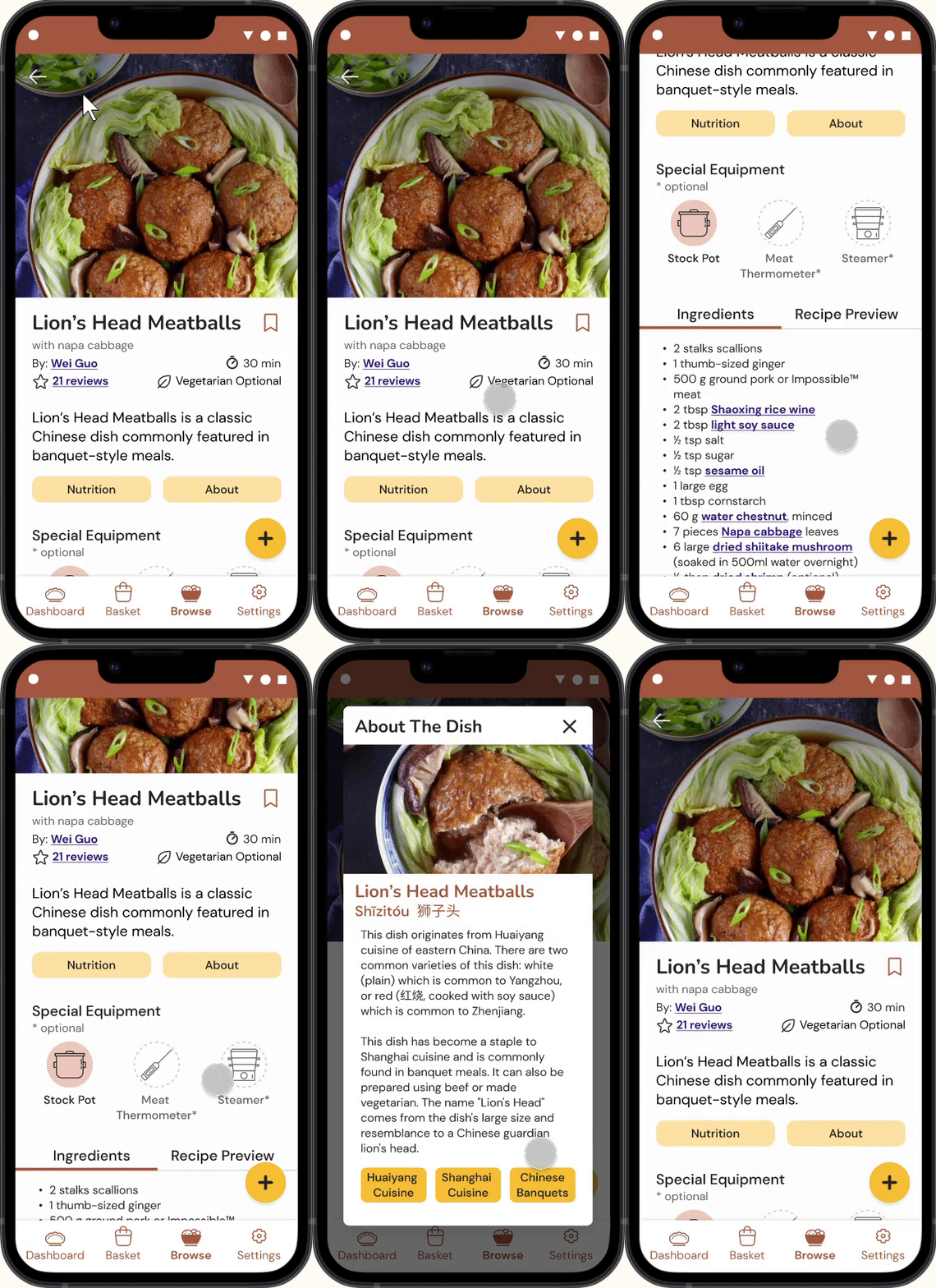
Learn the dish's background
-
Learn about a dish's origins and the author's background
-
Gain an understanding of unfamiliar ingredients and how to use them
-
Preview the equipment needed, ingredients used, and recipe steps
Initial Exploration

In her article, “Crying in H-Mart”, Michelle Zauner reflects on the loss of her Korean mother and the unexpected way that a simple trip to their regular Korean grocery store brings her to tears. Her relationship with her mother and her Korean heritage were intrinsically tied to food in a way that likely resonated with many other Asian Americans, including myself.
I wanted to research further into Asian Americans’ relationship with food and culture, and how it informs their current cooking habits.
Understanding my Audience

To begin understanding the underlying needs of the Asian American community in relation to cooking, I researched relevant studies and articles online, sent a survey out to Asian American Facebook groups, and conducted user interviews.
During the interviews, I learned that while many participants enjoyed eating their cultural foods, they hesitated to make it themselves primarily due to ingredient accessibility, time constraints, and fear of failure.
"I always get excited when my boyfriend’s dad cooks sinigang … I want to try [making] it but I’m a bit apprehensive… [because] I'm worried it won't taste the same."
-RW
My participants generally fell into two general mindsets, which I developed further into full personas. One persona was Nora Kim, the busy bee who misses her mom's cooking but doesn't always have time to try new recipes. The second was Jake Long, an excited newbie who wants to learn more about cooking culturally authentic dishes but doesn't know where to start. Based on the backgrounds of the users I interviewed and surveyed, I chose to design a solution specifically for working Asian Americans who live in small households (either a roommate or partner, but no children).

Abridged personas for the Nora Kim, the busy bee and Jake Long, the excited newbie.
Problem Definition & Ideation
Challenging my initial assumptions about what my users needed
At the start of this project, I assumed that I would develop a curated recipe app with a focus on sourcing authentic recipes. After speaking with my interviewees and synthesizing the results of my research, however, I realized that this would not address all of their primary concerns.
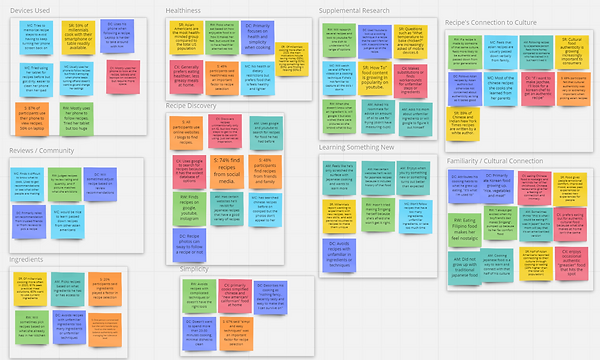
Affinity Map
After my user interviews, I created an affinity map using key quotes and insights in order to understand what general categories they fell into. Subjects that came up frequently included:
-
Recipe Simplicity
-
Ingredient Accessibility
-
Learning Something New
-
Cultural Connection
Viewing cooking as a chore and the importance of ingredient availability
I suspected and confirmed that recipe discovery and cultural connection would be important to my users, but I did not expect ingredients to be such a large influence in their cooking behaviors as well. Many participants either did not have easy access to cultural ingredients, didn't know where to buy them, or hesitated to buy full quantities of ingredients they weren't sure about using more than once.
Additionally, I noticed that when my interviewees talked about cooking they described it as if it were a chore that they wanted to finish as soon as possible. They were also unwilling to spend more than 20-30 minutes on a recipe or follow recipes with too many ingredients during an average weekday night.
Although my assumed idea of a recipe curation app could help with searching for authentic recipes and provide a means of cultural connection, it would not easily address their issues regarding recipe ingredients or change their attitudes towards cooking while still fitting into their busy schedules. I started my ideation process with a reframed mindset and a goal to address the following questions:
How Might We...

Make cooking more enjoyable, instead of a chore?
Make cultural ingredients more accessible?
Boost confidence in learning cultural recipes?
Ideation Process
I used Crazy 8's to brainstorm solutions for each problem statement. Afterwards, I pulled concepts from each category that I believed were the strongest to best solve each problem and combined them into a final solution.

Finding a way to address my user's needs
Although I initially made an assumption about my problem solution even before starting my research, I continued to keep an open mind throughout the process. When I generated my problem statements and ideated on them, I then realized that a meal kit delivery service, similar to Blue Apron, would address my user's needs much better than any of my previously assumed ideas could.
Making cooking enjoyable
-
Removes the mental burden of deciding what to make that night and presents users with the recipe and all of the ingredients required to start cooking immediately
-
Includes fun facts and delightful imagery that will make cooking more exciting and interesting
-
Adds excitement to the everyday cooking process by introducing something new
Improving ingredient accessibility
-
Preportioned ingredient kits shipped and delivered to users each week for the recipes they have selected
-
Opportunity for users to buy full-size versions of hard to find ingredients they like within the app
-
Quality ingredients for each recipe kit, sourced from trusted and authentic brands recommended by the recipe creators
Boost confidence in learning cultural recipes
-
Recipes sourced from known or experienced Asian cooks and paired with step by step videos for users who need additional guidance
-
Helpful tips and fun facts included within recipe steps to improve user's cooking abilities and knowledge
-
Access to in-depth information about specialty ingredients and about the cultural origins of each dish
Determining the MVP Functions
Onboarding, Browse Dishes, and Following a Recipe
The three most essential functions needed to test the success of this concept would be onboarding, browsing dishes, and following a recipe. Before diving into wireframes, I planned out the user's journey navigating these three tasks using user flows. After creating paper sketches following this framework, I then conducted a quick round of guerrilla testing with five participants and incorporated their feedback into my first round of wireframes.
User Flows
User flows for the three primary tasks: Onboarding, Browse Recipes and Following a Recipe.

Wire Flows
Sketched wire flows used for guerrilla testing the three primary tasks. Key findings included opportunities to clarify confusing language and removing a "cooking skills" question in onboarding that left users confused or intimidated.

Uncovering Pain Points
Three major design improvements
Through two rounds of remote testing with 5 participants each, I iterated on my designs to improve their clarity and usability, with three major improvements:
Decluttering the Dashboard
-
Participants felt that all the sections looked too similar to each other. They also felt confused by the Recommended and Favorites sections.
-
I increased the card size of the Current Basket since it’s the category users are most interested in once they receive their basket. I also moved Favorites and Recommended to the Browse tab.

Before
After
Clarifying the Protein Options
-
A vegetarian participant noted she would remove the meatball dish from her basket because she was unsure how the dish could be made vegetarian.
-
The dish cards now display the protein ingredient used and updates depending on if the vegetarian option is selected or not.

Before
After
Removing the Rating System
-
Several users noted that they would either only select dishes with high ratings, or disregard them and pick based on photos.
-
I updated the design so users can still read and write reviews but there is no longer a rating system.

Before
After
Final Deliverable
The Final Version of Kitchen Table
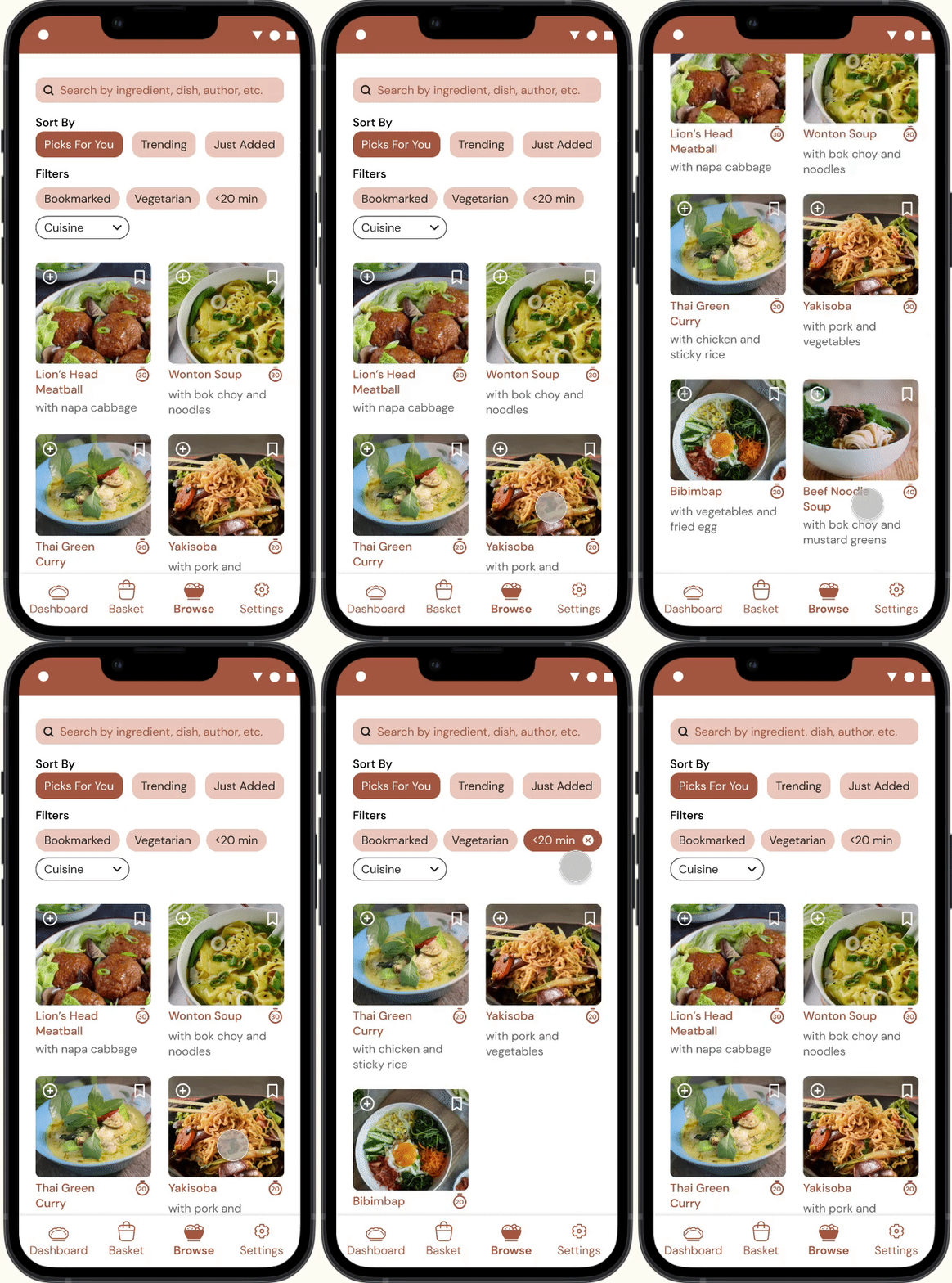
Make Cooking Enjoyable, Not a Chore
-
Wide selection of delicious recipes to select from each week
-
Options available based on how much time you have to cook
-
Delicious food imagery to excite users into cooking
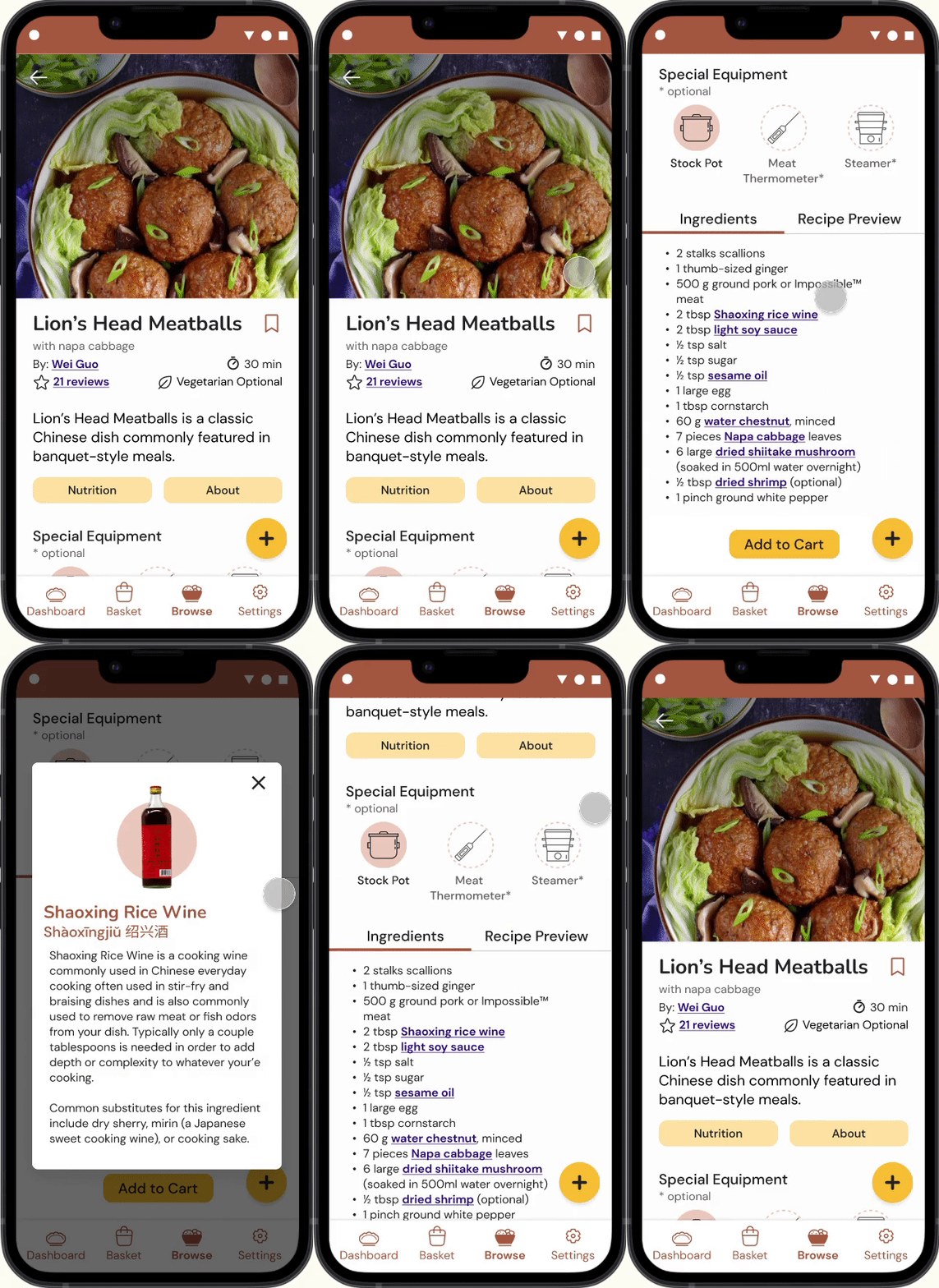
Assist with Ingredient Access
-
High quality ingredients arrive at the user's doorstep in preportioned amounts
-
Common substitutions shown under ingredient links for when users want to cook on their own
Boost Confidence in the Kitchen
-
Easy to follow step by step instructions
-
Fun and useful tips to boost user's knowledge of basic and cultural cooking techniques
Figma Prototype
Wrapping Up
Project Outcomes
I'm immensely proud of the end results for Kitchen Table and for the opportunity to experience the UX process from early conception to final prototype. There were a number of crucial lessons I picked up along the way.
1
Challenging Assumptions
The most surprising part of this entire process was having my assumptions challenged during user interviews and usability testing. I assumed initially that I might be creating a curated recipe app. After speaking to my interviewees and listening to their real concerns and struggles, however, I realized that this concept would not address their primary pain points. When I landed on the final concept for Kitchen Table, it was even more exciting than I had originally anticipated.
2
Balancing tradeoffs
Similar to my experience in physical product development, this process involved many tradeoffs. There were many features I originally would have loved to include, or which were suggested to me by my testers. When evaluating these ideas, it was important to keep checking back on my user’s core needs and the original problem statement to keep everything within the scope of an MVP (minimum viable product).
3
Incorporating In-Person Testing
Although I asked my usability test participants to walk through the process of following a recipe, I believe that in-person testing for this flow would likely provide more accurate insight. Having users walk through the process of cooking something (or at least simulating doing so) would uncover new usability insights about this particular task that may not be discovered from using the prototype out of context.
Credits
-
Michelle Zauner quote and splash image from “Crying in H-Mart”
-
Dietary Choice and Equipment Icons made by Freepik from Flaticon
-
Special thanks to Wei Guo from Red House Spice for permission to use her Lion's Head Meatball recipe for this case study!
